When a toddler trips over their own feet or misplaces a toy that should be within arm’s reach, most parents chalk it up to Masking / camouflaging the usual “oops” moments of early childhood. Yet, for some little ones, clumsiness can be a subtle flag pointing toward autism. This guide dives into the nuances of autism early signs in toddlers who are clumsy, offering clear explanations, practical tips, and a touch of humor to keep the read light yet informative.
The Anatomy of Toddler Clumsiness
Developmental Milestones vs. Everyday Mishaps
Clumsiness in toddlers is often a normal part of motor development. Children refine balance, coordination, and hand-eye synergy through trial and error. However, when clumsiness persists or appears alongside other atypical behaviors, it may warrant closer attention.
- Typical clumsiness: stumbling over a single step, dropping a cup. Persistent clumsiness: frequent falls, difficulty grasping objects, or avoiding tasks that involve fine motor skills.
When Clumsiness Becomes a Red Flag
Imagine your toddler, a budding explorer, attempting to climb the sofa and ending up sprawled on the floor. It’s a classic “I’m a superhero” moment—except the superhero’s cape is a blanket. If such incidents are accompanied by:
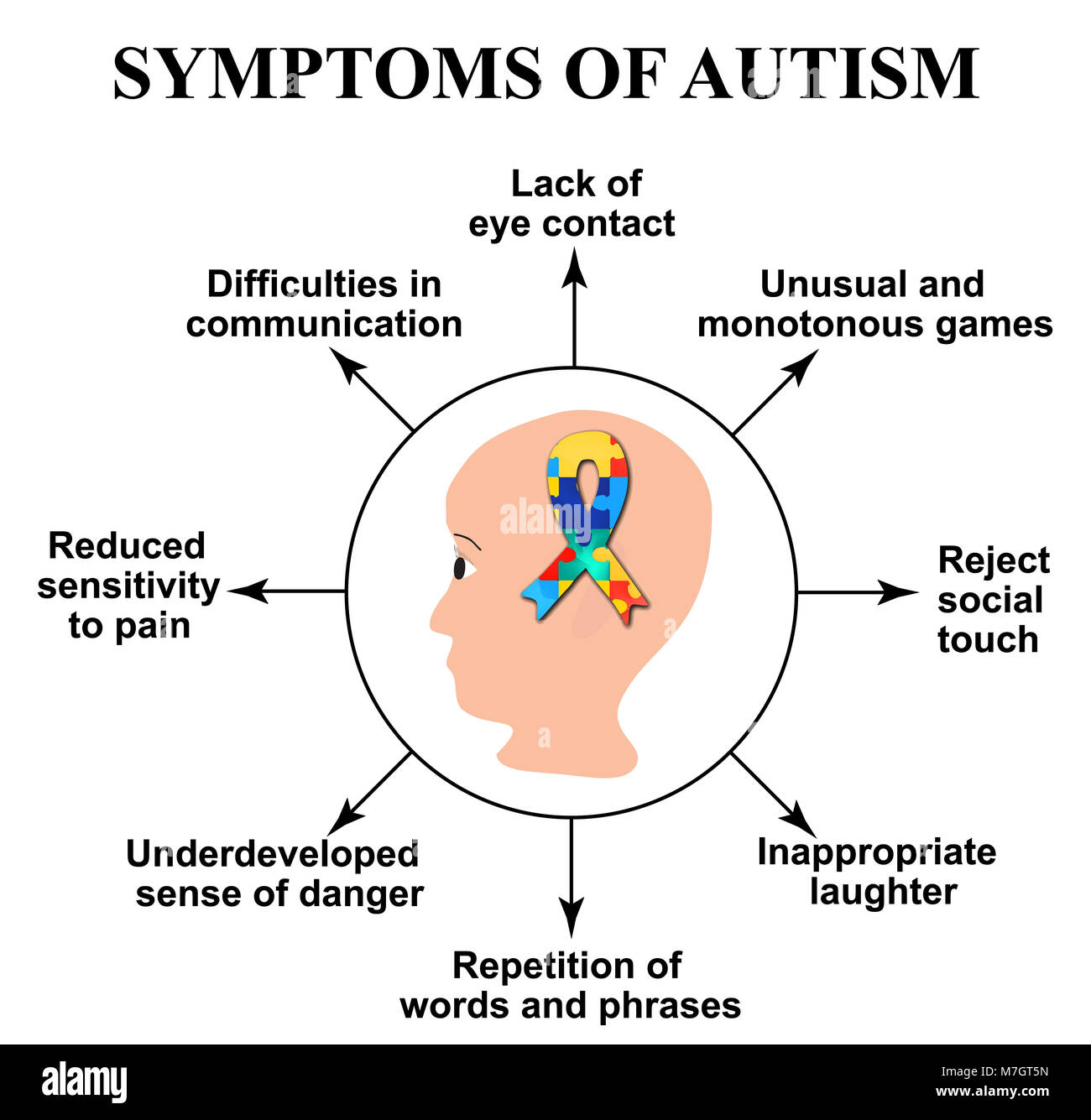
- Limited eye contact during play Lack of response to their name Repetitive motions (hand-flapping, rocking)
…the clumsiness might be a symptom of something more complex.
Autism Early Signs in Toddlers Who Are Clumsy: The Big Picture
Motor Coordination as an Early Indicator
Motor delays can be an early sign of autism. A clumsy toddler may struggle with tasks that most peers manage effortlessly, such as:
- Reaching for a toy that’s just out of reach Turning pages in a picture book Using utensils during meals
These challenges often coexist with communication delays, making the picture more intricate.

The “Clumsy” Metaphor: A Ship in a Storm
Think of a toddler’s motor system as a ship navigating choppy waters. In typical development, the ship steadies itself. In autism, the ship may keep rocking, suggesting that the crew (brain pathways) need extra guidance.
Rhetorical Question
Do you ever wonder why your child seems to trip over invisible obstacles while their peers glide past them? That curiosity can be the first step toward understanding deeper developmental patterns.
Recognizing the Full Spectrum of Early Signs
Social and Communication Cues
- Limited gestures: Little thumbs up or waving. Unusual vocal tone: Speaking in a monotone or overly dramatic pitch. Avoidance of social play: Preferring solitary activities over interactive games.
Sensory Sensitivities
Clumsy toddlers may also exhibit heightened sensitivity to touch, sound, or light—leading to avoidance of certain textures or overstimulation.
Repetitive Behaviors
- Repetitive movements: Hand-flapping, spinning, or rocking. Rigid routines: Intense insistence on doing things in a particular order.
Anecdote
I once met a parent who brought in a video of their son, “Max,” who could climb the stairs but would hesitate before each step, as if the floor were a minefield. Max’s mother noticed that he would also pause before reaching for a toy that was within arm’s reach. The video helped her realize that Max’s clumsiness was more than just a phase—it was a window into his sensory and motor challenges.
When to Seek Professional Guidance
Timing Is Key
Early intervention can dramatically improve outcomes. If you notice:
- Persistent clumsiness beyond 18 months Lack of response to name by 12 months Repetitive behaviors that interfere with daily life
…consult a pediatrician or developmental specialist promptly.
The Diagnostic Process
- Developmental screening: Brief questionnaires like the Ages and Stages Questionnaires. Comprehensive evaluation: Speech-language pathologist, occupational therapist, and pediatric neurologist assessment. Observation: Structured play sessions to gauge motor, social, and communication skills.
Quote
“Early detection can change a child's trajectory,” says Dr. Sally Ozonoff, a leading researcher in autism spectrum disorders. This underscores the importance of not dismissing clumsiness as a mere phase.
Building a Supportive Environment
Occupational Therapy: Fine-Tuning Motor Skills
Occupational therapists focus on:
- Gross motor activities: Jumping, climbing, and balance exercises. Fine motor tasks: Puzzles, drawing, and buttoning clothes. Sensory integration: Activities that help children process tactile and auditory inputs.
Speech and Language Interventions
Even if the child’s speech is on track, therapy can Female autism phenotype enhance:
- Nonverbal communication: Gestures, facial expressions. Social reciprocity: Turn-taking, joint attention.
Parental Involvement
- Modeling: Demonstrate how to perform tasks slowly and deliberately. Positive reinforcement: Celebrate small victories to build confidence. Consistent routines: Provide a predictable environment to reduce anxiety.
Bullet List: Quick Tips for Parents
- Keep the environment clutter-free to minimize tripping hazards. Use visual schedules to help your child anticipate transitions. Encourage play with building blocks or stacking cups to improve hand-eye coordination. Incorporate music and dance to make motor practice fun.
The Journey Forward: A New Lens on Clumsiness
Embracing the Individual Path
Each child’s developmental journey is unique. Clumsiness might be a stepping stone toward mastery, or it could signal a need for targeted support. By viewing clumsiness through a broader developmental lens, parents can transform worry into proactive action.
Staying Informed and Connected
- Join local or online support groups for parents of children with autism. Keep a developmental diary to track progress and setbacks. Stay updated on research and emerging therapies.
Final Thought
If you’re noticing that your toddler’s clumsy moments are more than just “baby blunders,” remember that early signs in toddlers who are clumsy can be the first chapter in a story of resilience and growth. By staying observant, seeking guidance early, and fostering a supportive environment, you’re not just helping your child navigate the world—you’re setting them up for a life of confidence and curiosity.
Take the first step today: schedule a developmental screening and start the conversation. Your child’s future self will thank you for the early support.